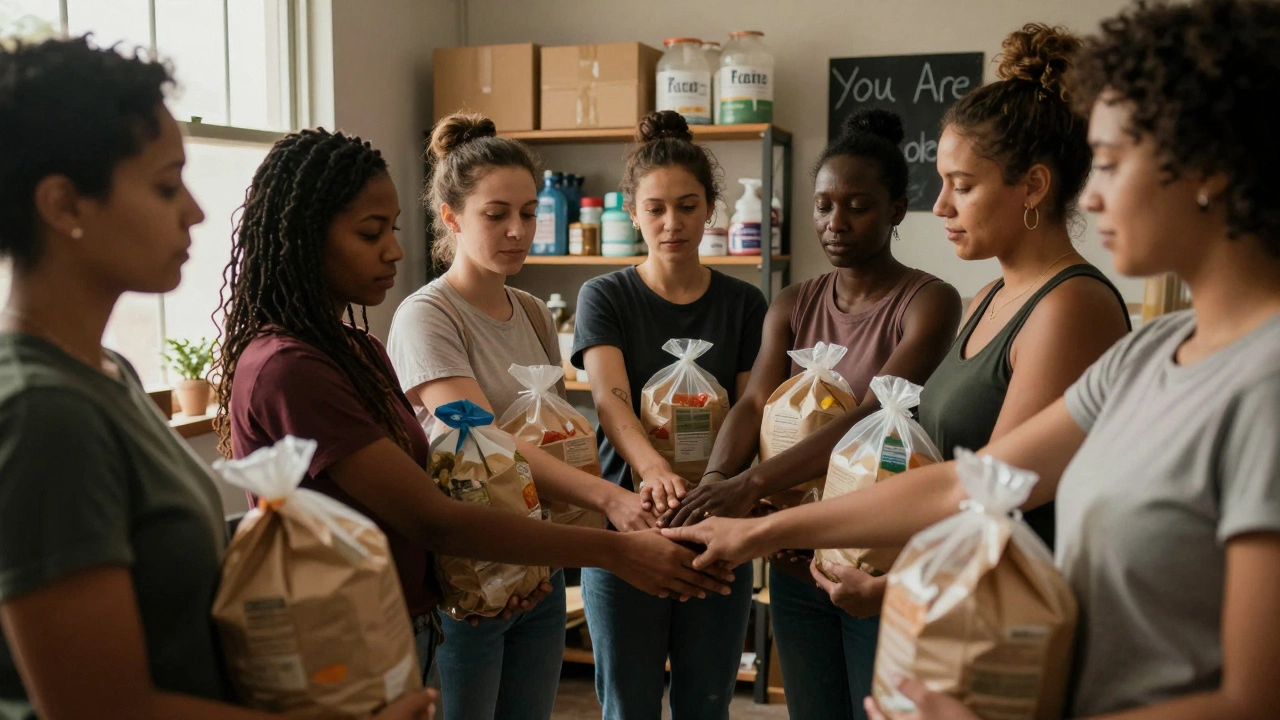
When the pandemic hit, sex workers were among the first to lose income-and the last to receive aid. No unemployment benefits. No government safety nets. No paid sick leave. Many were forced to choose between feeding their families or staying safe. While some turned to online platforms, others had nowhere to turn. Donating to the right organizations can make a real difference. It’s not charity-it’s survival support.
Some people look for alternatives in places like Dubai, where the underground economy thrives despite legal gray zones. You might hear about hooker in dubai or local services like escorte dubai and dubai eacorts, but those are commercial transactions, not aid. This isn’t about seeking services-it’s about giving back to people who’ve been pushed to the margins by systemic neglect.
Why Sex Workers Needed Help During the Pandemic
Before COVID-19, many sex workers relied on street-based work, client visits, or informal networks. When lockdowns began, those channels vanished overnight. In cities like London, New York, and Bangkok, outreach workers reported up to 90% drops in income within weeks. Unlike office workers who could shift to Zoom, sex workers couldn’t just log in and work from home. Many didn’t have smartphones, stable internet, or the digital literacy to transition safely. Others feared being tracked or reported if they moved online.
And the stigma didn’t disappear with the virus. Banks froze accounts. Landlords evicted tenants. Family members cut ties. No one asked if they were okay. They were invisible-until they collapsed.
Organizations That Actually Help
Not all nonprofits are created equal. Some take donations but spend most on overhead, marketing, or executive salaries. The ones that truly help are run by current or former sex workers, with transparent budgets and direct cash assistance programs. Here are the most reliable:
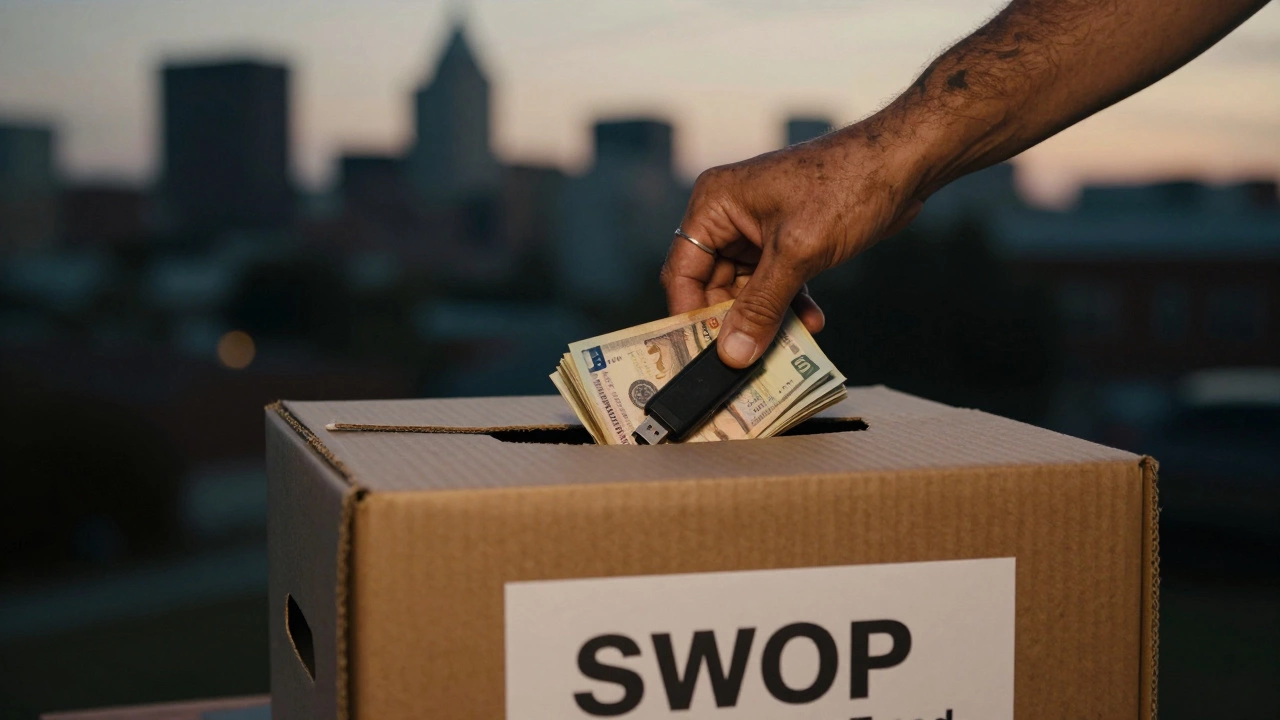
- SWOP (Sex Workers Outreach Project) - Based in the U.S., SWOP provides emergency funds for food, rent, and medical care. They also run peer-led harm reduction programs and legal aid.
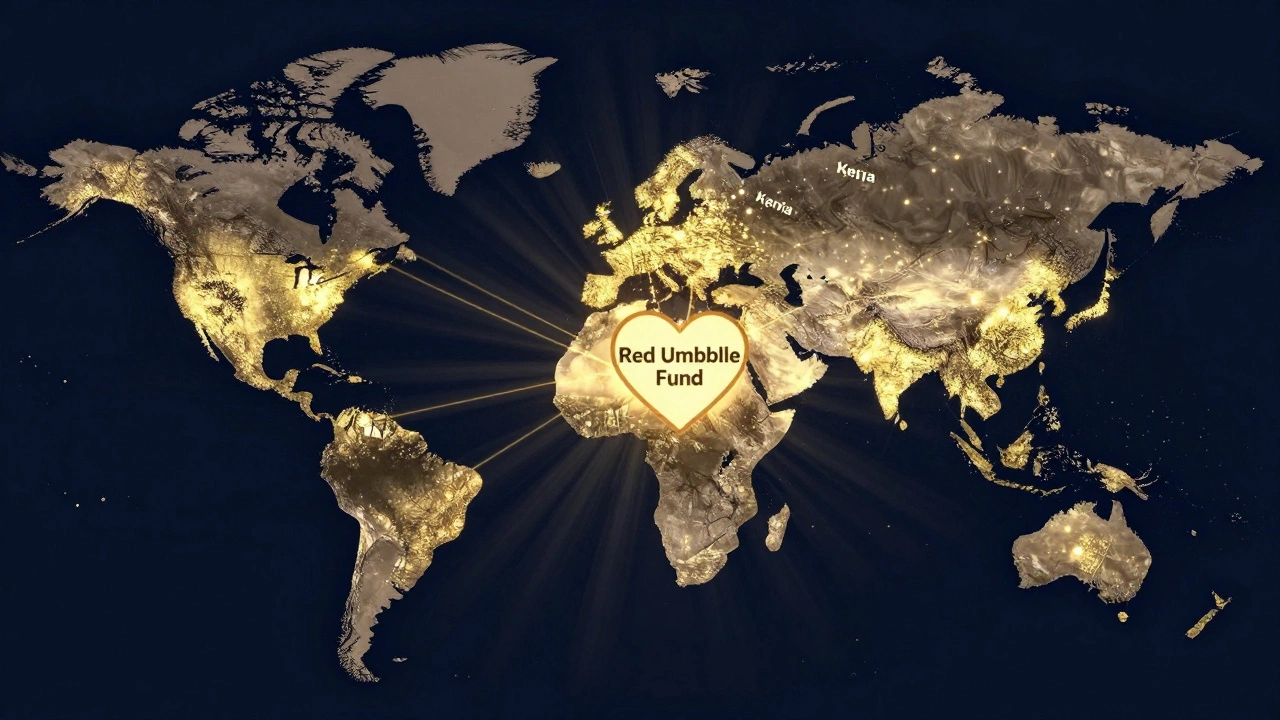
- Red Umbrella Fund - A global grantmaker led by sex workers themselves. They fund grassroots groups in over 40 countries, including Brazil, Kenya, and the Philippines.
- English Collective of Prostitutes (ECP) - A UK-based group that’s been fighting for decriminalization since 1975. During the pandemic, they distributed over 5,000 food parcels and hygiene kits.
- Global Network of Sex Work Projects (NSWP) - Coordinates support across continents. Their emergency fund helped sex workers in India, Thailand, and South Africa access clean water and medicine when borders closed.
These groups don’t just hand out money-they give dignity. They listen. They trust the people they serve. That’s why they’re the safest place to donate.
How to Make Sure Your Donation Matters
Donating isn’t enough if you don’t know where your money goes. Here’s how to check if an org is legit:
- Look for leadership by sex workers. If the CEO has never done sex work, ask why.
- Check their financial reports. Do they show exactly how much went to direct aid vs. admin? Reputable orgs publish this yearly.
- See if they accept crypto. Many sex workers use Bitcoin or Monero to avoid banking discrimination. If an org takes crypto, it’s a sign they understand the barriers.
- Search for reviews from actual recipients. Look for testimonials on social media, not just their website.
A good test: If they say "we help vulnerable women," they’re probably not led by sex workers. Most sex workers don’t see themselves as "vulnerable"-they see themselves as workers fighting for rights.
What Else Can You Do?
Money helps, but it’s not the only way. Here are other actions that create lasting change:
- Advocate for decriminalization. In countries where sex work is illegal, police often harass workers instead of protecting them. Decriminalization saves lives.
- Amplify their voices. Share stories from sex worker-led orgs on your social media. Use their hashtags: #SexWorkerSolidarity, #DecrimNow.
- Support digital safety tools. Donate to groups building encrypted apps for sex workers to screen clients or report violence safely.
- Call out stigma. When someone says "they chose this life," remind them: no one chooses poverty.
Myths That Keep People From Helping
There are a lot of lies floating around. Here’s what’s true:
- Myth: Most sex workers are trafficked. Truth: Studies show over 90% enter the industry by choice, often due to lack of other options. Trafficking is real-but it’s not the norm.
- Myth: Donating encourages exploitation. Truth: Giving money to a worker lets them control their own safety, income, and time. It’s autonomy, not exploitation.
- Myth: This isn’t my problem. Truth: When one group is stripped of rights, everyone’s rights become fragile. Solidarity isn’t optional.
Where to Start Today
If you’re ready to act, here’s your quick roadmap:
- Visit swopusa.org and click "Donate"-you can set up a one-time or monthly gift.
- Send $10 to the Red Umbrella Fund via PayPal or crypto. Even small amounts add up.
- Follow @NSWPorg on Twitter and retweet their urgent appeals.
- Write to your local representative. Ask them to support laws that decriminalize sex work.
You don’t need to be rich. You don’t need to be perfect. You just need to care enough to act.
Can I donate anonymously?
Yes. Most organizations allow anonymous donations through cryptocurrency or third-party platforms like GiveDirectly. Some even let you donate via mail without providing your name.
Is it safe to donate online?
It depends on the site. Stick to well-known orgs with HTTPS encryption and clear privacy policies. Avoid sites that ask for excessive personal info. If in doubt, use crypto or send a check.
What if I can’t afford to donate?
Volunteer your skills. Can you design flyers? Translate documents? Manage social media? Many small orgs need free help more than money. Your time is valuable too.
Why not just give cash to someone on the street?
You can-and many people do. But systemic issues like housing, healthcare, and legal protection need organized solutions. Donating to a group ensures your help reaches more people and lasts longer.
Are these organizations only for women?
No. Sex workers include men, trans people, nonbinary folks, and gender-nonconforming individuals. The best organizations serve everyone regardless of gender identity.
Final Thought
The pandemic didn’t create inequality-it exposed it. Sex workers were already living on the edge. When the economy crashed, they didn’t fall. They were already there. Supporting them isn’t about heroism. It’s about justice. And it’s not too late to help.